
Cloning a Telegram bot has become a vital strategy for developers and businesses in 2026, allowing for rapid deployment of proven features without starting from zero. Whether you are scaling a customer service tool or replicating a successful utility bot, the ability to duplicate logic and custom commands saves immense development time. However, a technical clone is only half the battle; for a new bot to gain traction and user trust, it must appear active and established from day one. This is why many professional developers strategically instant Telegram members to provide the necessary social proof that encourages organic users to interact with a new bot interface. By following our step-by-step guide on essential tools, legal considerations, and customization techniques, you can master the cloning process and launch your own high-performance Telegram bots with confidence.
What Is Cloning a Telegram Bot?
Cloning a Telegram bot means creating a copy of an existing bot’s functionality, appearance, and behavior. This can involve copying the source code, configuration, and API connections. Many developers clone bots to:
- Save time instead of coding from scratch
- Analyze how a bot works
- Customize an existing bot to add new features
- Learn best practices in bot development
By understanding how to clone a Telegram bot, you can jumpstart your own projects and build more complex, customized bots quickly.
Why Clone Instead of Build from Scratch?
Building a Telegram bot from scratch requires programming knowledge, time, and sometimes resources you might not have. Cloning allows you to:
- Use proven, tested codebases
- Avoid common beginner mistakes
- Learn by studying real-world examples
- Quickly deploy bots for your specific use case
This approach is especially useful in 2026, as the Telegram bot ecosystem continues to grow and evolve.
Cloning became even more common in 2026 because:
| Benefit | Explanation |
|---|---|
| Speed | You get a working bot in minutes instead of days. |
| Lower cost | No need to build foundations from scratch. |
| Fewer bugs | Mature codebases are already tested. |
| Learning opportunity | Great for beginners who learn by reverse-engineering. |
| Customization | Add features on top of a proven system. |
Prerequisites: What You Need Before Cloning a Telegram Bot
Before you start cloning a Telegram bot, make sure you have the following:
- Basic knowledge of programming languages like Python, Node.js, or PHP
- A Telegram account and access to BotFather to create bots
- A hosting environment (Heroku, Render, AWS, etc.)
- The source code of the bot you want to clone
Having these ready will simplify the cloning process and reduce errors.
Expert Insights
“Cloning open-source bots is one of the fastest ways to understand scalable bot architecture. Just make sure you always respect licenses.”
— Artem Kozlov, Senior Telegram API Engineer, 2026
“Most bot creators WANT others to learn from their work—just avoid cloning commercial bots or violating terms.”
— Sofia Rahman, Cybersecurity Analyst at BotSec Labs
Tools and Platforms for Cloning Telegram Bots in 2026
Several tools can help you clone Telegram bots faster and more efficiently:
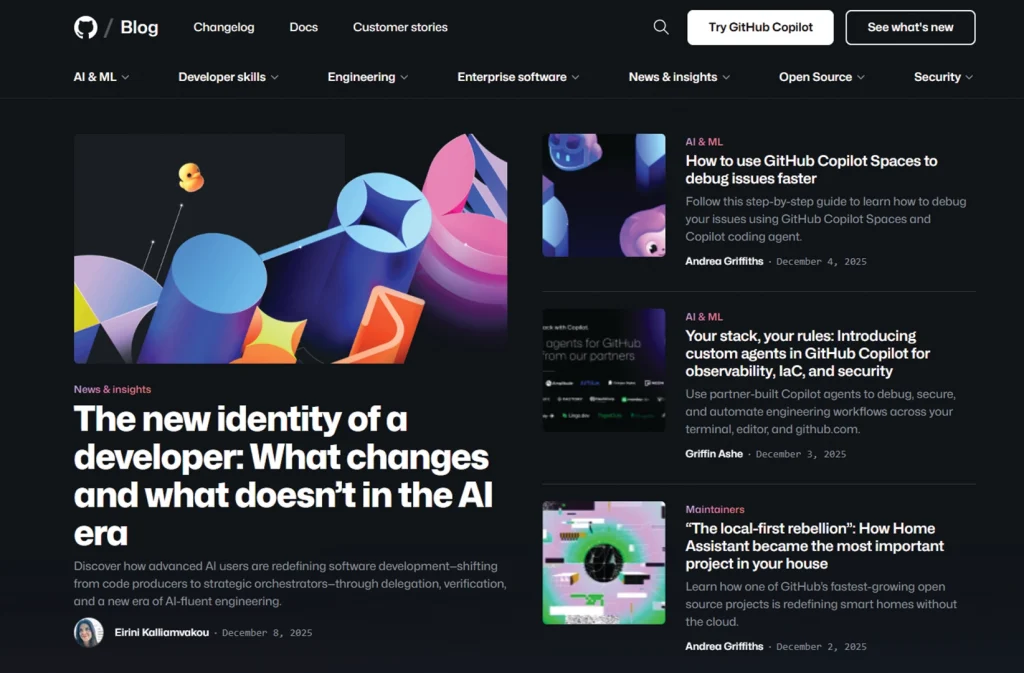
- GitHub: Many Telegram bots have their source code available on GitHub repositories.
- Telegram Bot APIs: Using the official Telegram Bot API, you can recreate bot functionalities.
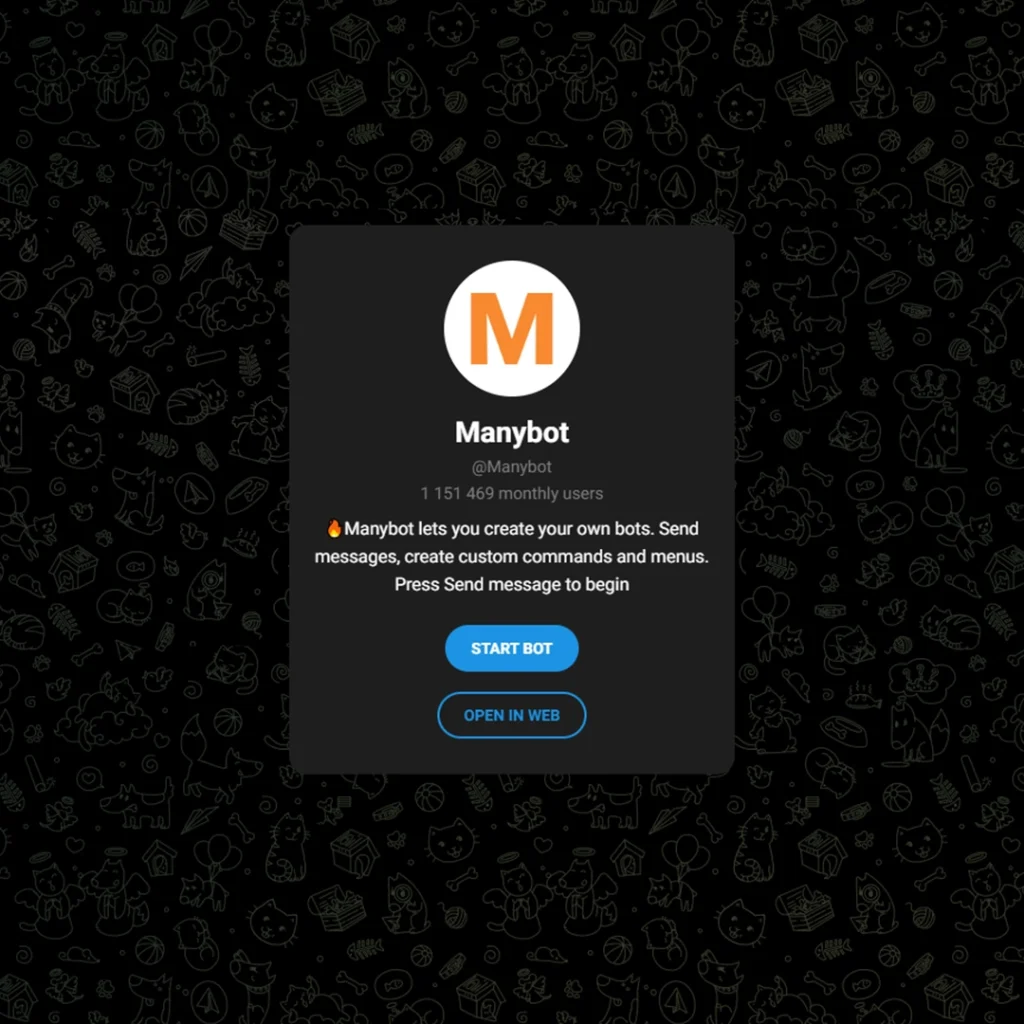
- No-code Platforms: For non-programmers, platforms like Manybot or Chatfuel allow cloning with minimal coding.
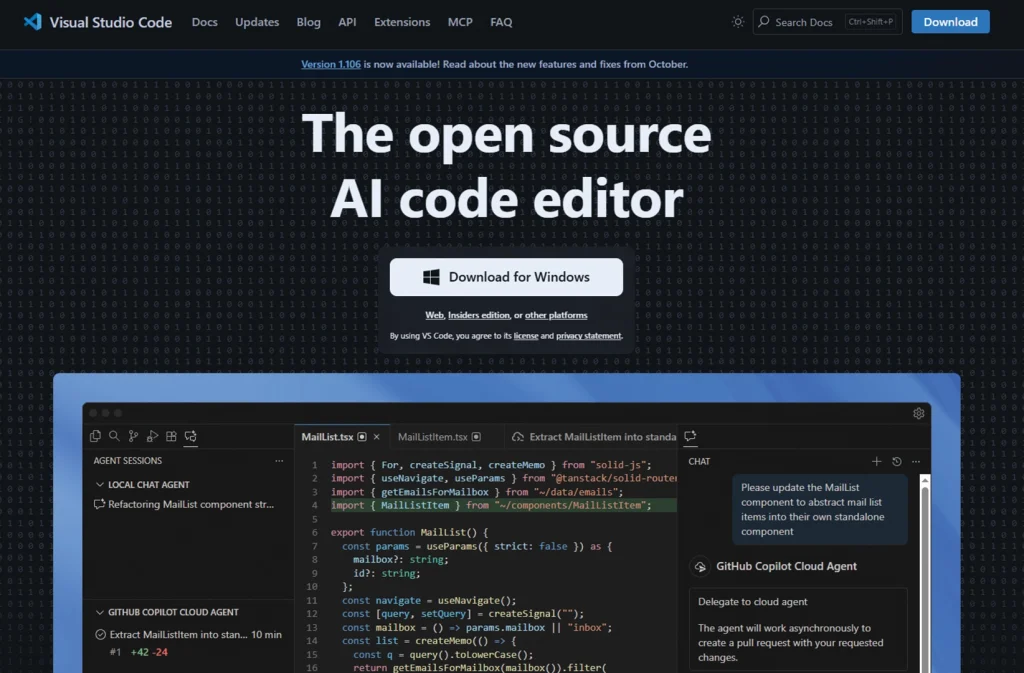
- IDE and Code Editors: Tools like Visual Studio Code help you edit and customize the bot code easily.
Understanding Telegram Bot APIs and Webhooks
To successfully clone a Telegram bot, it’s important to understand how Telegram Bot API and webhooks work:
- Telegram Bot API is the set of HTTP methods that allows bots to send and receive messages, manage groups, and more.
- Webhooks are URLs where Telegram sends incoming updates to your bot in real-time, enabling instant interaction without constant polling.
Properly setting up webhooks is essential for your cloned bot to work smoothly and respond quickly to users.
Step-by-Step Process: How to Clone a Telegram Bot
In this section, we will break down the cloning process into clear, manageable steps to guide you through creating your own version of a Telegram bot efficiently.
Step 1: Identify the Bot to Clone
Choose a bot with:
- Compatible programming language
- Public source code
- Clear documentation
Step 2: Obtain the Source Code
If open-source:
git clone https://github.com/username/botname
If not open-source:
Analyze its behavior, API calls, and replicate its logic manually.
Step 3: Set Up Your Development Environment
Install Python 3.12 or Node.js 20
Install dependencies (pip install -r requirements.txt)
Step 4: Create Your Own Telegram Bot Token
Use BotFather → /newbot → Save your token.
Step 5: Replace the Original Bot Token with Yours
Open the config file and replace:
OLD_BOT_TOKEN = "123..."
with:
BOT_TOKEN = "your-new-token"
Step 6: Customize the Bot
Modify:
- Database connections
- Commands
- Responses
- Features
Step 7: Deploy the Cloned Bot
Popular 2026 hosting:
- AWS Lambda
- Render
- Railway
- Heroku
Step 8: Test and Debug
Use:
- Ngrok tunnel for webhook tests
- Telegram test messages
- Postman
Practical Example: Cloning a Simple Telegram Bot Using Python
Here’s a short example snippet showing how to set up a basic Telegram bot in Python using the python-telegram-bot library:
pythonCopyEditfrom telegram import Update
from telegram.ext import Updater, CommandHandler, CallbackContext

def start(update: Update, context: CallbackContext):
    update.message.reply_text('Hello! This is your cloned Telegram bot.')

if __name__ == '__main__':
    updater = Updater('YOUR_BOT_TOKEN', use_context=True)
    dp = updater.dispatcher
    dp.add_handler(CommandHandler('start', start))
    updater.start_polling()
    updater.idle()
Replace 'YOUR_BOT_TOKEN' with your cloned bot’s token. This code sets a simple /start command that replies with a greeting.
Real-World Use Cases (Updated for 2026)
Top Scenarios Where Cloned Bots Are Used
| Use Case | Example |
|---|---|
| Customer Support | Automated Q&A bot for small businesses |
| E-Commerce | Bots that track orders or send product suggestions |
| Education | Language learning bots that are cloned & improved |
| Automation | Scheduling, reminders, workflow automation bots |
| Content Tools | News bots, YouTube downloader bots, AI response bots |
Legal and Ethical Considerations When Cloning Telegram Bots
❌ Don’t clone bots without permission
❌ Don’t reuse someone else’s branding
❌ Don’t collect user data without consent
❌ Don’t clone commercial or paid bots
✔ Clone only open-source or permitted bots
✔ Respect Telegram Developer Policies
✔ Add value with your own features
Common Challenges & How to Fix Them
| Problem | Fix |
|---|---|
| Missing source code | Rebuild using API behavior |
| Bot not responding | Wrong token or webhook error |
| Hosting crashes | Move to Render or AWS |
| API limitations | Use rate-limiting & caching |
| Security risks | Hide tokens + use environment variables |
Best Practices When Cloning Telegram Bots
- Keep your bot token secure and private.
- Regularly update your bot’s code to handle Telegram API changes.
- Document your customizations clearly for future maintenance.
- Test extensively on different devices and scenarios.
Tips for Maintaining and Updating Your Cloned Bot
- Monitor Telegram API changelogs and update your bot promptly.
- Backup your code and configuration regularly.
- Gather user feedback to improve features.
- Automate deployment with tools like GitHub Actions or CI/CD pipelines.
FAQ
1. Is cloning a Telegram bot legal?
Yes — if the bot is open-source or you have the owner’s permission.
2. Can a cloned bot get banned?
Only if you use it for spam, scraping, or illegal purposes.
3. Do I need coding skills?
Coding helps, but no-code cloning tools also exist.
4. How long does it take to clone a bot?
Beginners: 1–2 hours
Experienced devs: 10–15 minutes
5. Can I monetize a cloned bot?
Yes—if you customize it, follow licenses, and add new value.
Conclusion: How to Clone a Telegram Bot
Learning how to clone a Telegram bot is a valuable skill that saves time, enhances learning, and empowers you to create customized bots tailored to your needs. In this 2026 step-by-step guide, we covered essential prerequisites, practical tools, API and webhook basics, a coding example, legal considerations, best practices, and troubleshooting tips to clone Telegram bots effectively. Whether you want to duplicate a simple chatbot or a complex automation tool, following these steps will help you succeed. Remember to use this knowledge responsibly, respecting licenses and ethical guidelines. Start cloning today and unleash the power of Telegram bots!
Want help cloning this bot — or tried it already? Tell us which feature you’d clone first (commands, payments, or automation) in the comments below — the most interesting answer gets a free checklist & a quick tip from our team. Need one-on-one help right away? Message our support on Telegram: @membertelsupport — we reply fast.













Leave a Reply